
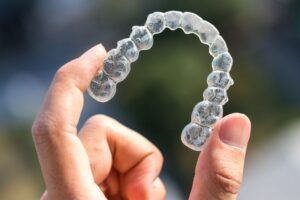
Are you thinking about getting Invisalign to straighten your teeth? This treatment is convenient, discreet, and effective — it is an excellent option for many patients! However, just like anything else in the world of medical care, it has a few potential downsides and complications. This blog post discusses what you should know so you can make a well-informed decision about whether this orthodontic service is right for you.
Discomfort
Invisalign aligners are made of smooth plastic that is designed to rest comfortably against your gums and cheeks. However, it is important to remember that orthodontic treatment only works if it applies adequate pressure to your teeth. This can cause some soreness, especially when you first start wearing an aligner.
For most people, the discomfort is mild and wears off within a few days. Prolonged or severe pain is a rare complication that requires a dentist’s attention.
Speech Challenges
Speech depends on intricate interactions between several key structures, including your teeth. Invisalign makes your teeth feel a bit bigger than usual, which means you might notice a slight lisp or other speech abnormalities. Most people adapt to their aligners and speak easily after a short adjustment period. However, a small percentage of patients have speech challenges throughout their treatment.
Allergies
Invisalign aligners are made out of a patented form of plastic called SmartTrack. It is largely considered to be biocompatible (it works well within the human body). In rare cases, though, individuals have an allergic reaction to it. If your aligners cause itching, swelling, or other signs of an allergic reaction, stop wearing them and contact your care provider. You might need to consider an alternative treatment.
Decay and Cavities
Invisalign by itself does not increase your risk of dental decay and cavities. However, missteps in oral hygiene could prove damaging to your teeth. If you do not brush and floss after meals or fail to keep your aligners clean, they could trap harmful bacteria against your enamel, which may lead to plaque accumulation and decay.
TMJ Disorder
Invisalign can change the way your teeth fit together, which might put extra strain on your jaw and lead to issues like facial pain, headaches, and other symptoms of TMJ disorder. The good news is that, even if such symptoms occur, they tend to be temporary. Plus, Invisalign may ultimately reduce your risk of TMJ disorder because it promotes a healthy, harmonious bite.
Invisalign is pretty amazing, but you should not commit to it without knowing both its pros and cons. Talk to your dentist to get realistic information about what to expect throughout your orthodontic journey.
Meet the Practice
The team at Abington Family Dental Care has already helped many patients achieve straighter teeth and more confident smiles via Invisalign treatment. If you have questions about it or wish to schedule a consultation, we would be happy to serve you. Contact our office at 781-780-2658.