
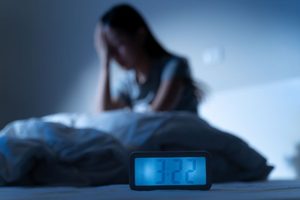
Did you know that more than 30% of U.S. adults struggle with an anxiety disorder at some point in their lives? Plus, millions of people suffer from sleep apnea, a disorder that causes pauses in breathing during sleep. The overlap between these two groups is significant! Is that a coincidence, or is there a reason why anxiety and sleep apnea are often found in the same people? This blog post explores how these two conditions can create a vicious cycle.
Sleep Apnea Contributes to Anxiety
When you stop breathing due to sleep apnea, your body goes into panic mode. You may occasionally wake up gasping for air while experiencing panic, and in the morning, you could feel completely drained.
As if that were not bad enough, sleep apnea seriously disrupts your sleep cycle. Even if you spend a full 7 – 8 hours asleep, poor sleep quality can interfere with your brains ability to process and manage emotions. As a result, you may be more prone to feelings of anxiety. Without timely treatment, poor sleep may even trigger or worsen symptoms of outright anxiety disorders.
Anxiety Contributes to Sleep Apnea
The relationship between anxiety and sleep apnea goes two ways. Anxiety and stress can cause muscle tension throughout your body, including the muscles that control breathing during sleep. This can tighten the airway and make it more likely to collapse during sleep, leading to pauses in breathing.
Plus, anxiety can cause fragmented sleep and bouts of insomnia. Together with existing sleep apnea symptoms, this can make it nearly impossible to get adequate amounts of rest.
What Can You Do?
Fortunately, there are steps you can take that can improve your sleep quality and potentially ease anxiety:
- Talk to your doctor: If you have not yet been diagnosed with sleep apnea, they can help you arrange for testing.
- Start treatment: A CPAP machine or oral appliance from a dentist can keep your airway open during sleep, leading to uninterrupted breathing. Many people find that an oral appliance is the more comfortable and convenient option.
- Care for your mental health: Regular exercise, a balanced diet, and a consistent sleep routine could all help to reduce anxiety. If you have severe anxiety or an existing anxiety disorder, you may need to speak to a mental health professional for advice.
Sleep apnea and anxiety should not be allowed to drain your energy. Seek appropriate medical care so you can manage your conditions and start to feel more like yourself.
Meet the Practice
At Abington Family Dental Care, our skilled team helps patients find relief from sleep apnea with custom oral appliance therapy. If you have been struggling to sleep, we can help you determine what steps you should take to get started on your journey toward better rest. Contact our office at 781-780-2658.